

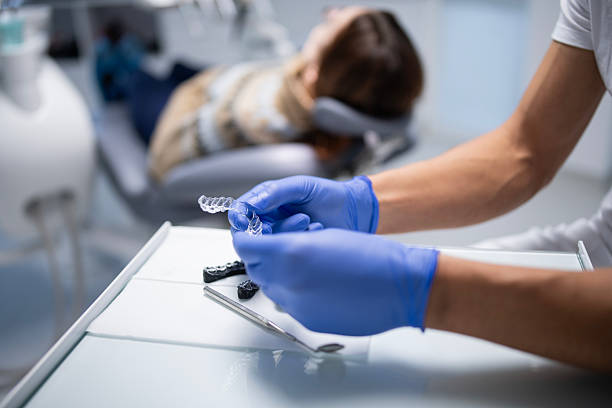
Invisalign may be appropriate for teenagers with crowded teeth, gaps, or selected bite problems when their dental development and treatment needs are suitable. At Nicholas Dose, DMD Family Dentistry in Lake Oswego, OR, an evaluation with Dr. Dose can help clarify whether clear aligners are an option for your teen.
The decision also involves everyday life. Will your teen remember to put the trays back in after lunch? How will treatment fit around soccer practice, band, or school presentations? What will the estimate cover, and what happens if extra aligners are needed? These are useful questions to ask before committing. Understanding both the clinical requirements and the daily routine can help you and your teen choose an approach you can realistically follow through with.
Can Teenagers Get Invisalign Instead of Traditional Braces?
Yes. Invisalign is not limited to adults, and teenagers can be candidates for clear aligner treatment. The right choice depends on the teeth and bite, the stage of permanent-tooth development, and the teen’s ability to follow wear instructions.
Treatment should address appropriate alignment and bite objectives while protecting dental health. Some cases are better suited to fixed braces or an orthodontic specialist’s care. An evaluation helps determine which approach offers a reasonable path to the intended result.
What Makes Invisalign Different From Braces for Teenagers?
Invisalign uses a series of removable clear trays. Traditional braces use brackets attached to the teeth and connected by wires. Both guide tooth movement, but their day-to-day demands differ.
Aligners are less noticeable and come out for meals, brushing, and flossing. Your teen must store them safely and remember to put them back in. Braces stay attached, so there are no trays to remember after lunch, although cleaning around brackets takes care and some foods need to be avoided. Either option can involve temporary soreness, appointments, and instructions to follow. Our Invisalign vs braces comparison explains the broader differences; for teens, the practical question is which suitable treatment they can manage consistently.
Do Teens Need All Their Permanent Teeth Before Starting Invisalign?
Not necessarily. Invisalign includes different approaches for growing patients, including children with mixed dentition, a combination of baby and permanent teeth. A treatment plan must account for teeth that are still erupting.
That does not mean every product is appropriate for every age or offered by every practice. Ask which approach fits your teen’s development and whether treatment should begin now, be monitored, or involve an orthodontic specialist.
Can Invisalign Work for Teenagers With More Complex Orthodontic Problems?
Sometimes, but complexity requires careful assessment. Some plans use attachments or elastics to support specific movements. Others may require growth-related treatment, fixed appliances, or specialist care.
Clear aligners do not correct every skeletal jaw discrepancy through tooth movement alone. If the upper and lower jaws have a significant size or position difference, the recommendation may involve a broader orthodontic plan.
What Is the Best Age for a Teenager to Start Invisalign?
There is no single best starting age. Tooth eruption, jaw development, the problem being treated, and readiness for removable appliances matter more than a birthday.
Can a 12- or 13-Year-Old Get Invisalign?
Some can. An evaluation determines whether enough suitable teeth are present, how incoming teeth will be managed, and whether aligners can address the diagnosed problem.
A younger teen may also need more help with lunch routines, tray storage, and reminders. That support can be planned rather than leaving the family to figure it out after treatment begins.
Is Invisalign Suitable for 14- to 16-Year-Old Teenagers?
It may be. Many adolescents in this age range have most permanent teeth in place, making comprehensive alignment and bite assessment possible. However, growth and eruption patterns vary.
Having permanent teeth does not establish that Invisalign is the best choice. The intended movements, oral health, and ability to follow treatment instructions still need evaluation.
Is Invisalign Different for Younger Teens and Older Teens?
The main differences involve development and the support needed at home. These are general considerations, not rules for individual patients.
| Consideration | Younger Teen | Older Teen |
|---|---|---|
| Permanent Teeth | Some may still be erupting | Most are typically present |
| Jaw Development | More growth may remain | Growth may be further advanced |
| Treatment Planning | Must account for ongoing eruption and growth | Still considers growth along with alignment and bite |
| Independence | May need more parent involvement | May manage more of the routine independently |
| Consistency | Depends on habits and support | Still requires prescribed daily wear |
Should Parents Wait Until Their Teen Is Older?
Waiting is not automatically beneficial. Some problems need assessment while growth is ongoing; others can be monitored until a more appropriate treatment stage.
The AAO recommends an initial orthodontic evaluation by age seven, but an evaluation does not mean immediate treatment. If your teen has not been assessed, there is no need to wait for every permanent tooth or a particular birthday before asking for guidance.
What Dental Problems Can Invisalign Correct in Teenagers?
Invisalign may treat selected cases of crowding, spacing, and bite misalignment. The diagnosis and proposed movements determine suitability.
| Dental Concern | What Parents May Notice | Treatment Consideration |
|---|---|---|
| Crowded Teeth | Overlapping or turned teeth | Available space and movements needed |
| Gaps | Spaces between teeth | Cause of spacing and dental development |
| Overbite | Excessive vertical overlap of front teeth | Tooth positions and jaw relationship |
| Underbite | Lower front teeth ahead of upper teeth | Severity and remaining growth |
| Crossbite | Upper teeth bite inside lower teeth in some areas | Tooth position versus jaw-width concerns |
| Open Bite | Some teeth do not meet when biting | Cause, habits, and bite mechanics |
| Midline Discrepancy | Upper and lower front-tooth centers do not align | Asymmetry and the overall bite |
Can Invisalign Straighten Crowded Teeth in Teenagers?
It can in suitable cases. The dentist evaluates available space, tooth rotations, eruption, and how proposed movement would affect the bite and supporting tissues.
Our adult-focused article on how Invisalign corrects crowded teeth explains general crowding considerations. A teen’s plan must additionally account for dental development rather than simply applying an adult plan to a younger mouth.
Can Invisalign Close Gaps Between a Teenager’s Front Teeth?
Often, when tooth position is the cause and movement is appropriate. Spaces can also reflect erupting teeth, tooth-size differences, or missing teeth, so their cause matters.
A gap is not automatically a cosmetic problem that should be closed immediately. The guide to Invisalign for gaps between teeth explains why an examination comes before deciding how to manage spacing.
Can Invisalign Correct an Overbite, Underbite, or Crossbite in Teens?
It may address selected dental bite problems. The distinction is whether the concern primarily involves tooth position, the relationship between the jaws, or both.
Some teens need additional mechanics, such as Invisalign elastics for bite correction. Significant skeletal or growth-related concerns may require specialist planning and other appliances. The name of the bite problem alone does not establish whether aligners are suitable.
Can Invisalign Help Teenagers Who Have One Crooked Tooth?
Possibly. Even a single visible tooth needs to be assessed in the context of the entire bite. Moving it may require space or coordinated movement of neighboring teeth.
An evaluation can determine whether limited treatment is reasonable or whether the apparent one-tooth concern is part of a broader alignment issue.
How Do Parents Know Whether Their Teen Is Ready for Invisalign?
Readiness includes clinical suitability and a workable daily routine. Rather than expecting perfect organization from the beginning, discuss what your teen can manage independently and where reminders would help.
Can Your Teen Wear Invisalign for 20–22 Hours Every Day?
Invisalign commonly calls for 20–22 hours of daily wear; follow the treating professional’s exact instructions. This means wearing trays during lessons, homework, and sleep, with removal mainly for eating, drinking anything other than water, and cleaning.
Review a typical day together. Long breakfasts, repeated snacks, lunch, dinner, and evening activities can use up the available removal time. Plan how to meet wear requirements while allowing adequate time to eat and maintain hygiene.
Will Your Teen Remember to Put Their Aligners Back In?
Useful questions include:
- Can they keep track of a case and other belongings?
- Do they follow a regular brushing routine?
- Will they carry their case every day?
- What reminder would help after lunch?
- Will they tell you when a tray hurts, breaks, or does not fit?
Occasional forgetfulness is a reason to build a better routine. Repeated difficulty may mean the treatment approach needs reconsideration with the provider.
How Can Parents Help Their Teen Stay Consistent With Invisalign?
Agree on expectations before treatment starts. Phone reminders, a shared tray-change calendar, a school cleaning kit, and one reliable storage location can make the routine easier.
Check in about problems without turning every conversation into an inspection. A teen who feels comfortable reporting a lost tray or missed wear time gives the dental team a better opportunity to respond. Keep appointments and ask for help if the routine repeatedly breaks down.
Do Invisalign Teen Aligners Have Wear-Time Indicators?
Some teen aligner products include color-changing compliance indicators. Availability depends on the product and treatment plan, so ask whether they are included in your teen’s trays.
An indicator is not a precise clock or proof that every movement is progressing correctly. Fit, clinical progress checks, and an honest discussion of wear habits remain important.
How Does Invisalign Fit Into a Teenager’s School Routine?
A school-day plan should cover lessons, lunch, snacks, and safe storage. Practicing insertion and removal at home can help your teen feel more prepared before using trays at school.
Can Teenagers Wear Invisalign During School?
Yes. Aligners are intended to stay in during most ordinary activities, including classes and studying. Your teen generally does not need to remove them simply because they are at school.
Pack a case and cleaning supplies where they are easy to reach. If a school routine creates a recurring obstacle, discuss a practical solution with the treating office.
What Should Your Teen Do With Invisalign During School Lunch?
Remove the trays with clean hands and put them directly into their protective case. After lunch, clean teeth and aligners as instructed, then reinsert promptly.
Wrapping trays in a napkin makes them easy to throw away. A case kept in the same backpack pocket is a practical habit that can prevent that familiar lunchroom problem.
Can Teens Drink Coffee, Soda, or Sports Drinks With Invisalign?
Plain water is generally the appropriate drink while trays are in. Remove aligners for other beverages according to treatment instructions.
Sugary or acidic drinks can leave residue against teeth beneath the trays. Coffee and other colored drinks can also stain them, and hot liquids can distort the material. Repeated sipping creates both hygiene and wear-time challenges worth discussing before treatment.
Will Invisalign Affect a Teenager’s Speech or Presentations?
Some patients notice a temporary lisp or changes in certain sounds while adjusting. Experiences vary, and speech cannot be guaranteed to remain completely unchanged.
Reading aloud and practicing a presentation while wearing trays may help your teen become accustomed to them. Persistent speech or fit concerns should be raised with the dentist.
Can Teenagers Play Sports and Musical Instruments With Invisalign?
Often, yes. The plan should account for protective equipment and any activity that requires removal, especially if practices or rehearsals are lengthy.
Can Teens Play Basketball, Soccer, or Other Sports With Clear Aligners?
Teens can participate in sports during treatment, but the instructions depend on the activity and injury risk. Ordinary exercise differs from contact play where a blow to the mouth is possible.
Discuss the actual sport and practice schedule with the dentist. Having removable trays and no brackets does not eliminate the risk of tooth or soft-tissue injury.
Do Teenagers Need a Mouthguard While Wearing Invisalign?
For contact sports and activities with dental injury risk, an appropriately fitted sports mouthguard is important. Invisalign trays are not athletic mouthguards.
AAO guidance advises removing aligners and wearing a mouthguard for contact play. Ask the dentist which protection is appropriate, how to manage attachments, and when fit should be reassessed as teeth move. Include both practices and games in this discussion.
Can Teens Play Wind Instruments With Invisalign?
Many can, but adjustment may be needed. Trays can change how the mouth feels, and wind instruments depend on specific lip, tongue, and mouth positions. The experience varies by instrument and player.
Try practicing with the trays and discuss persistent discomfort or playing difficulties. If removal is needed, ask how rehearsal and performance time can fit within the prescribed wear schedule.
What If a Teen Needs to Remove Invisalign for an Important Event?
Brief removal may be possible within the prescribed daily schedule. Plan ahead for photos, performances, or another event rather than routinely leaving trays out for hours.
If an event creates a substantial conflict, ask the provider for instructions. Do not independently change tray dates or assume one prolonged break will have no effect.
How Should Teenagers Eat, Brush, and Floss During Invisalign Treatment?
Removing trays gives teens access to their teeth for normal brushing and flossing. That access is useful, but oral health still depends on what they do after removal.
Can Teens Eat Their Favorite Foods With Invisalign?
Generally, aligners come out before meals and snacks, so there are no brackets to damage while eating. A teen can usually eat their usual foods while following any other dental advice they have received.
Store trays safely during meals and clean before reinsertion. Constant snacking can make it difficult to maintain both daily wear and hygiene.
How Should Teens Clean Their Teeth Before Putting Aligners Back In?
A useful sequence is:
- Remove trays with clean hands and place them in their case.
- Eat or drink with trays out.
- Brush teeth and clean between them as instructed.
- Clean or rinse the aligners according to the provider’s directions.
- Reinsert them promptly.
Brush with fluoride toothpaste at least twice daily and clean between teeth daily. If brushing is temporarily impossible at school, rinse the mouth and aligners with plain water and brush as soon as practical. Rinsing is a temporary fallback, not a replacement for the regular cleaning routine. Ask the dentist to help plan around a short lunch period.
Can Invisalign Increase the Risk of Cavities if a Teen Has Poor Oral Hygiene?
Poor hygiene during aligner treatment can contribute to cavities and gum inflammation. Plaque, food residue, and sugary liquids left against teeth create risks that removability alone does not prevent.
White spots can also develop when enamel loses minerals. If your teen already struggles with cleaning or has active decay or gum disease, address those concerns before deciding whether treatment should begin.
Why Are Regular Dental Cleanings Important During Invisalign?
Routine visits help detect decay, assess gum health, and remove deposits that home care misses. Aligner checkups do not replace regular dental examinations and professional cleaning.
Continue preventive dental care for teenagers on the schedule recommended for your child. Let the treating provider know about planned fillings or other dental work that could change tooth shape and tray fit.
What Happens During Invisalign Treatment for Teens in Lake Oswego?
Families can expect an evaluation, treatment planning, delivery and instruction, and ongoing progress visits. The details depend on the diagnosis and recommended approach.
What Happens at the First Invisalign Evaluation for a Teenager?
The evaluation may include medical and dental history, alignment and bite assessment, oral health, and a review of tooth eruption and jaw development. Scans, impressions, photographs, or X-rays may be recommended where clinically appropriate.
Expect a discussion of alternatives, responsibilities, and appointment expectations. Bring your teen into that conversation, including any concerns about school, activities, or managing removable trays.
How Are Invisalign Aligners Made for a Teen’s Teeth?
The general sequence is:
- Gather records. The clinician obtains information about tooth positions, bite, and development.
- Plan movement. A digital plan maps a staged sequence of movements.
- Produce custom trays. Aligners are made according to the approved plan.
- Check fit and explain care. The provider delivers trays and reviews wear, removal, cleaning, and changes.
- Monitor response. Follow-up visits assess actual movement and whether adjustments are needed.
A computer simulation shows intended changes. It does not guarantee that teeth will respond exactly as pictured.
Will Teenagers Need Invisalign Attachments or Rubber Bands?
Some will. Tooth-colored Invisalign attachments help trays apply and control selected forces. Elastics may support particular bite corrections.
These features depend on the movements required, not simply on the patient being a teenager. Ask what is recommended, how it may affect appearance or removal, and what additional daily instructions apply.
How Often Will Teenagers Need Invisalign Checkups?
Appointment frequency depends on the plan and provider. Ask for the expected schedule before starting so you can prepare around school and transportation.
Visits assess fit, tracking, bite changes, eruption where relevant, and oral health. Contact the office between visits if an attachment comes off, a tray stops seating, or pain persists. Do not assume aligners always mean fewer visits than braces.
How Long Does Invisalign Take for Teenagers?
Treatment duration varies with the diagnosis, movement complexity, eruption and growth considerations, and consistency of wear. Bite correction, attachments, elastics, and additional aligners can also affect the timeline.
Ask for an individualized estimate and how it may change as treatment progresses. The broader guide to how long Invisalign treatment takes explains the main timing factors.
Do Teenagers Finish Invisalign Faster Than Adults?
Not automatically. Age alone does not establish how long a treatment plan will take. Two patients can have very different movement requirements even if their front teeth look similar.
Diagnosis, biological response, and adherence to instructions are more useful for estimating duration than assuming that younger always means faster.
Can Missed Wear Time Delay Teen Invisalign Treatment?
Yes. Repeatedly missing wear time can leave teeth behind the planned sequence, affecting how later trays fit and making progress less predictable.
Tell the treating office about recurring difficulties. The response may involve reviewing the routine, evaluating fit, or changing the plan. Do not skip ahead or modify the change schedule independently.
Do Teenagers Sometimes Need Refinement Aligners?
Yes. Additional aligners may be prescribed if the original series does not fully achieve appropriate alignment or bite goals. This does not automatically mean treatment has failed.
Our forthcoming guide to Invisalign refinements and extra aligners explains that process in detail. Ask before starting whether additional rounds are included in the estimate and how they might affect the timeline.
Invisalign vs Braces for Teens: Which Option Is More Practical?
The practical choice combines clinical suitability with the routine your teen can maintain. Both approaches require care and follow-through.
| Decision Factor | Invisalign for Teens | Traditional Braces |
|---|---|---|
| Appearance | Clear trays; attachments may be visible | Brackets and wires are visible |
| Removability | Removed for meals and cleaning | Brackets remain fixed |
| Responsibility | Must remember prescribed tray wear | Still requires cleaning, visits, and any elastic wear |
| Food | Trays removed before eating | Some foods must be avoided |
| Oral Hygiene | Access to teeth after removal | Careful cleaning around brackets and wires |
| Appliance Problems | Trays may be lost or damaged | Brackets and wires may break |
| Complex Movement | Suitability depends on planned mechanics | May offer better control in selected cases |
| Sports | Separate mouthguard planning needed | Appropriate mouth protection also needed |
When Might Invisalign Be Better Than Braces for a Teenager?
Aligners may be a good fit when the case is suitable, the teen prefers removable treatment, and there is a realistic plan for daily wear and hygiene.
A preference for less visible treatment can matter, but it should be considered alongside the dentist’s assessment of predictability and the teen’s willingness to manage the routine.
When Might Braces Be a Better Choice?
Braces may be preferable when removable trays are repeatedly left out, certain movements need different control, or the plan calls for fixed appliances.
Significant growth or skeletal concerns may require specialist care and additional treatment beyond either braces or aligners alone. The recommendation should follow the diagnosis rather than a blanket rule about case severity.
Can Parents and Teens Choose Invisalign Together?
Yes. A shared decision can account for the provider’s recommendation, your teen’s preferences, home responsibilities, appointments, and finances.
Ask your teen what seems manageable and what feels difficult. Choosing an appropriate treatment together gives everyone a clearer understanding of their role before the first tray is delivered.
What Happens if Your Teen Loses or Breaks an Invisalign Aligner?
Contact the treating office promptly for instructions. The right response depends on the tray stage, progress, fit, and whether replacement is needed.
What Should You Do if an Invisalign Tray Is Lost at School?
Have your teen tell you and the office rather than waiting until the next appointment. Identify the tray number, when it was last worn, and whether one or both trays are missing.
Ask exactly what to wear next. Do not automatically advance to the next tray or return to an earlier one without instructions.
Can a Broken Invisalign Tray Delay Treatment?
It can if the damage prevents appropriate wear or changes the way forces are applied. The impact depends on the damage and treatment stage.
Save the tray for evaluation and contact the office. Do not use household glue, heat, or other home repairs. A sharp, distorted, or poorly fitting tray needs professional advice.
How Can Parents Help Prevent Lost Aligners?
Use a dedicated case, avoid napkin storage, and choose the same storage location each day. Include the case in a daily school-bag checklist.
A spare case may help at another home or in a sports bag. Store trays away from pets and avoid loose placement in pockets, lunch bags, or backpacks.
How Much Does Invisalign for Teens Cost in Lake Oswego, OR?
The estimate depends on treatment complexity, scope, and the care involved. Ask what is included, including records, progress visits, replacement trays, refinements, and retainers.
Our Invisalign treatment cost guide explains the broader financial considerations. The office can clarify your child’s proposed plan and fees.
Does Dental Insurance Cover Invisalign for Teenagers?
Some plans include orthodontic benefits, but coverage varies. Check age limits, lifetime maximums, waiting periods, provider requirements, and whether the proposed treatment qualifies.
Ask how benefits are paid if treatment spans multiple plan years or coverage changes. An estimate of insurance benefits is not a guarantee of payment; confirm details with the insurer.
Is Teen Invisalign More Expensive Than Braces?
Neither option is automatically more expensive. Compare estimates for the treatment your child actually needs, including the services and follow-up included in each.
A lower initial quote may exclude items another estimate includes. Ask about total expected costs and possible additional charges before choosing based on price.
What Should Parents Ask About Invisalign Payment Options?
Ask about the initial payment, any available payment arrangements, insurance claims, and fees for lost trays or additional treatment. Confirm whether retainers are included.
Eligible orthodontic expenses may be payable through an HSA or health care FSA. Check your account’s rules, documentation, and reimbursement timing with the administrator. Ask the office which payment options it currently offers rather than assuming financing is available.
What Happens After a Teenager Finishes Invisalign?
The provider evaluates alignment and bite before ending active treatment and arranging retention. Completing the last tray does not replace that final assessment.
Will Teens Need Retainers After Invisalign?
Yes. Retention is normally needed to help maintain orthodontic results. The provider selects an appropriate retainer and explains when to wear it, how to clean it, and when to return for review.
Follow that individual schedule rather than borrowing another patient’s instructions. Report a lost or damaged retainer promptly.
Can Teeth Shift Again as Teenagers Get Older?
Yes. Teeth can change position after treatment as supporting tissues adapt and growth and natural changes continue. Long-term retention helps preserve the result.
A retainer that suddenly feels unusually tight or no longer fits needs evaluation. Do not force a distorted or ill-fitting appliance into place.
How Can Parents Help Teens Remember Their Retainers?
Link wear to an established routine, such as the prescribed evening schedule, and keep the case in a consistent location. Use reminders that suit your teen’s level of independence.
Plan follow-up visits and review care instructions together. As your teen takes over more responsibility, make sure they know whom to contact about fit or replacement.
What Should Lake Oswego Parents Ask at an Invisalign Consultation?
Bring questions about your teen’s development and the practical demands of care:
- Is my teen at an appropriate age and developmental stage for Invisalign?
- Are their permanent teeth developed enough for the proposed plan?
- Can aligners address their particular alignment and bite concerns?
- Would braces provide more predictable movement?
- How many hours must trays be worn each day?
- Will attachments or elastics be needed?
- What should we do if a tray is lost?
- What is the expected treatment duration?
- How often will appointments be needed?
- What does the estimate include?
- How are extra aligners handled?
- Which retainers will be needed afterward?
- Would an orthodontic specialist evaluation be appropriate?
These answers should come from an individualized clinical assessment. A product name, age, or photograph cannot establish the right approach on its own.
Explore Invisalign for Teens at Nicholas Dose DMD Family Dentistry in Lake Oswego, OR
Choosing orthodontic treatment is easier when your family understands what is being recommended and what everyday care will involve. At Nicholas Dose, DMD Family Dentistry, Dr. Nicholas Dose provides family-focused dental care and can discuss whether an Invisalign evaluation is appropriate for your teenager.
Families from Lake Oswego, Lake Grove, and West Linn can contact our office at 601 First St., Suite A, Lake Oswego, OR 97034. An evaluation can clarify dental development, alignment and bite needs, daily wear expectations, and whether another orthodontic approach or specialist assessment would be more suitable. Learn about Invisalign treatment in Lake Oswego and bring your teen’s questions along with your own.
Frequently Asked Questions About Invisalign for Teens in Lake Oswego
Is Invisalign Suitable for a 13-Year-Old?
It may be, depending on dental development, oral health, and the movements required. The provider also considers whether your child can manage prescribed wear and cleaning with appropriate support. Being thirteen does not automatically make a child ready or too young; an examination determines whether treatment or monitoring is appropriate.
What Is the Youngest Age for Invisalign Teen Treatment?
There is no single starting age that establishes clinical readiness for every teen. Invisalign also has distinct treatment approaches for younger children with mixed dentition, which should not be confused with a teen treatment plan. Ask which product and approach fit your child’s development and what the practice actually offers.
Is Invisalign Safe for Teenagers?
Clinician-supervised clear aligner treatment can be appropriate for selected teenagers, but it is not risk-free. Healthy teeth and gums, suitable planning, and monitoring matter. Possible concerns include soreness, decay with poor hygiene, and unintended movement if treatment is not progressing correctly. Report persistent pain, poor fit, or oral health changes promptly.
What if My Teen Doesn’t Wear Invisalign for 22 Hours?
Repeatedly missing the prescribed wear time can affect movement and cause later trays to fit poorly. Tell the provider if the schedule is regularly difficult to maintain so they can assess progress and discuss solutions. Follow their instructions rather than trying to catch up by skipping trays or changing them faster.
Can My Teen Play Sports With Invisalign?
Yes, with appropriate planning for protection and wear time. For contact play, AAO guidance recommends removing aligners and using a suitable sports mouthguard. Ask the dentist about fit as teeth move and about storage during activities. Clear trays do not replace a mouthguard, even though they have no metal brackets or wires.
Can Teenagers Eat Normally With Invisalign?
Generally, yes, because trays are removed before meals and snacks. Teens should place them in a case, eat, clean their teeth and trays as instructed, and reinsert promptly. Food choices still affect oral health, and frequent snacking can make it harder to meet daily wear requirements while maintaining a good cleaning routine.
Is Invisalign More Comfortable Than Braces for Teenagers?
Some teens prefer the feel of smooth trays to brackets and wires, but comfort varies. Both treatments move teeth and can cause temporary tenderness. Aligners can also irritate tissues or feel uncomfortable if they fit poorly. Persistent pain or sharp edges should be discussed with the provider rather than accepted as unavoidable.
Can Invisalign Fix an Overbite or Crowded Teeth in Teens?
It can in selected cases. The amount of crowding, tooth positions, growth, and whether an overbite involves the teeth or jaw relationship all influence the recommendation. Attachments, elastics, other appliances, or specialist treatment may be needed. An examination determines whether clear aligners offer appropriate control for your teen’s particular needs.
How Long Does Invisalign Treatment Take for Teenagers?
There is no single teen treatment duration. Movement complexity, dental development, bite correction, and wear habits affect the estimate, and refinements may extend it. The guide to how long Invisalign treatment takes explains the main variables. Ask the treating provider for a timeline based on your child’s diagnosis and progress.
What Happens if a Teenager Loses an Aligner?
Contact the treating office promptly with the tray number and when it was last worn. The provider will determine whether replacement or another instruction is appropriate for that stage. Do not independently skip forward, return to a previous tray, or leave trays out while assuming the next appointment is soon enough.
Does Insurance Cover Invisalign for Teenagers in Oregon?
Coverage depends on the individual insurance plan and orthodontic benefits, not Oregon location alone. Check eligibility, age limits, maximum benefits, waiting periods, and provider requirements. Ask the insurer how payments would work throughout treatment and request an office estimate that distinguishes expected insurance contributions from the amount your family may owe.
Do Teens Need Retainers After Invisalign?
Yes. Retainers are normally part of maintaining the result after active treatment. Teeth can shift as teens continue to develop and throughout adulthood, so follow the provider’s long-term schedule. Keep retainers clean and protected, attend recommended reviews, and report loss, damage, or a change in fit so the retention plan can be reassessed.