

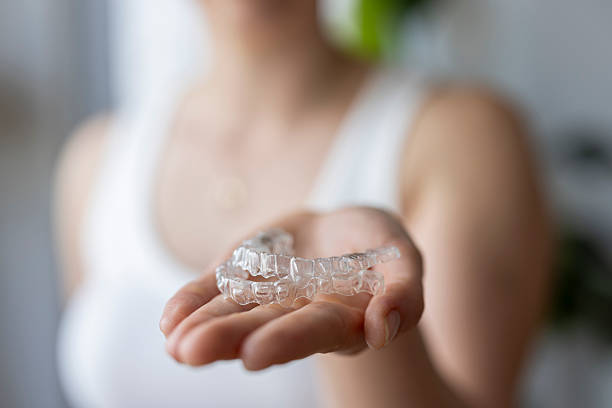
Invisalign refinements are additional clear aligners prescribed when certain teeth or the bite need further adjustment after an initial treatment stage. At Nicholas Dose, DMD Family Dentistry in Lake Oswego, OR, Dr. Dose evaluates treatment progress to determine whether more movement is appropriate before moving into retainers.
If you were expecting your current box of trays to be your last, hearing that you need extra Invisalign aligners can be disappointing. It does not automatically mean treatment has failed or that you have done something wrong. Teeth do not always move exactly as a digital plan predicts, and some remaining adjustments only become clear as treatment progresses. Here is what refinements involve, why they happen, how they can affect your timeline, and how your dentist decides when active treatment is complete.
What Are Invisalign Refinements, and Why Are Additional Aligners Sometimes Needed?
Invisalign refinements are an additional series of aligners made from an updated treatment plan to address remaining tooth-position or bite concerns. They continue active tooth movement when the initial series has not fully achieved the appropriate treatment goals.
Your first trays follow a planned sequence of movements. During Invisalign treatment in Lake Oswego, progress checks help determine how closely your teeth are following that sequence. If further movement is needed, the next stage can be planned around your current tooth positions.
Replacing a lost tray serves a different purpose. A replacement reproduces a prescribed stage; refinement aligners introduce an updated sequence of movements.
How Are Invisalign Refinements Different From the Original Aligner Series?
The initial aligner series follows the original treatment plan. Refinement aligners address movements that remain or goals that need adjustment based on your response to treatment.
New records may be needed to show where your teeth are now. Your dentist uses that information to develop an updated treatment plan and determine how many additional trays are appropriate. The overall goals may stay the same, even though the movements needed to reach them have changed.
Do Invisalign Refinements Mean the Original Treatment Failed?
No. Refinements do not automatically indicate failed treatment. A digital plan describes intended movement, but your teeth and supporting tissues must respond to the forces applied by the aligners.
For example, most teeth may reach their intended positions while one tooth remains slightly rotated. Additional aligners may address that remaining movement. Your dentist should explain the reason for the recommendation rather than assuming every patient will need refinements.
Are Refinements the Same as Starting Invisalign Treatment Again?
Usually, a refinement stage builds on movement already achieved. It does not mean returning your teeth to their starting positions or repeating the entire original series.
However, some situations require a more substantial treatment revision. The extent of the change depends on the remaining concerns, oral health, and what can reasonably be accomplished with the proposed approach.
Why Might Teeth Need More Movement After the First Invisalign Trays?
Refinements may be recommended for remaining rotations, crowding, gaps, tooth-height differences, root positioning, or bite contacts that need further attention. The reason should be specific to your examination.
| Reason for Refinement | What the Dentist Evaluates |
|---|---|
| Incomplete Tooth Rotation | Whether a turned tooth reached its intended position |
| Remaining Crowding | Whether teeth still overlap or need more room to align |
| Small Residual Gaps | Whether planned spaces have closed appropriately |
| Vertical Discrepancies | Whether a tooth needs movement farther into or out of its socket |
| Bite Not Fully Coordinated | How the upper and lower teeth contact |
| Aligner Tracking Discrepancy | Whether actual movement differs from planned movement |
| Changes During Treatment | Whether the plan or movement mechanics need updating |
Why Do Some Teeth Move Differently Than Planned?
Tooth movement involves a biological response in the periodontal ligament and surrounding bone. These tissues remodel as controlled forces guide teeth into new positions.
Individual anatomy, root position, and the complexity of a movement can influence the response. Turning a tooth, moving its root, and changing its vertical position place different demands on treatment. Wear habits matter too, but inconsistent wear is not the explanation for every refinement. An examination helps distinguish these possibilities.
Can Rotated Teeth or Small Gaps Require Refinement Aligners?
Yes. One tooth may remain turned even when neighboring teeth look aligned, or a small space may persist after most planned gap closure has occurred. Your dentist evaluates the remaining discrepancy and whether additional movement would be useful and appropriate.
These finishing decisions differ from the initial planning involved in Invisalign for crowded teeth or closing gaps with Invisalign. A remaining space also needs evaluation for its cause; moving teeth is not the solution to every visible gap.
Can Your Teeth Look Straight While Your Bite Still Needs Refinement?
Yes. Visible alignment and the way your upper and lower teeth meet are related, but they are not the same assessment. Front teeth can look straighter while back-tooth contacts still need attention. Your dentist also checks how the front teeth overlap and contact.
A photograph cannot show every aspect of that relationship. At the same time, every small irregularity does not require more treatment. The decision depends on the clinical findings, treatment goals, and the benefits and limitations of further movement.
What Does It Mean When Invisalign Teeth Are Not Tracking Properly?
Tracking describes how closely your teeth follow their planned movements and fit the prescribed aligners. A tracking discrepancy occurs when actual movement falls behind or differs from the plan.
Poor tracking can lead to a treatment modification, but additional aligners are only one possible response. Your dentist first needs to identify why the fit or movement has changed.
What Are the Signs That an Invisalign Tray Is Not Tracking?
Possible signs include:
- A visible space between the tray and a tooth that persists or becomes more noticeable.
- An aligner that does not fully seat over one area.
- Similar fit problems across successive trays.
- One tooth appearing to lag behind surrounding teeth.
- An attachment that no longer seems to engage its intended space in the tray.
- Ongoing difficulty seating an aligner.
A new tray can feel snug and create temporary pressure. That feeling alone does not establish a tracking problem. Persistent gaps or a tray that will not seat deserve a call to your dental team rather than an assumption that more pressure will solve the problem.
Does Poor Tracking Always Mean You Need New Aligners?
No. Your dentist may review daily wear, inspect attachments, assess tray fit, and compare the planned movement with your current tooth positions before recommending a response.
Depending on those findings, instructions may involve continuing the current tray for a prescribed period, reviewing insertion and wear technique, addressing an attachment problem, or revising the plan. Do not skip ahead, return to earlier trays, or extend a stage independently. Ask which aligner to wear and when to change it.
Can Wearing Invisalign Less Than Recommended Cause Refinements?
Insufficient wear can contribute to incomplete movement and make treatment less predictable. Aligners can apply their intended forces only while they are being worn.
Invisalign commonly recommends 20–22 hours of daily wear, while AAO guidance generally calls for at least 22 hours. Follow your treating professional’s specific instructions. If meals, work, or another obstacle repeatedly makes that difficult, discuss it openly so your dentist can assess your progress and help you address the problem.
What Happens During an Invisalign Refinement Appointment in Lake Oswego?
A refinement evaluation looks at what treatment has achieved and what still needs attention. The exact appointment depends on the concern; not every patient needs the same records or adjustments.
How Does the Dentist Check Whether Additional Tooth Movement Is Needed?
Dr. Dose may review tooth alignment, current aligner fit, upper and lower bite contacts, and the health of the teeth and gums. Attachments or elastics may also need evaluation, where relevant.
Your observations matter. Mention a space you still notice, a tooth that seems behind, or a change in how your teeth meet. Comparing these concerns with the treatment objectives helps clarify whether more movement is needed and what it is intended to accomplish.
Will You Need Another Digital Scan or Dental Impression?
Updated digital scans or impressions may be needed to capture your present tooth positions. Original records show where treatment began; updated records show the starting point for the next stage.
Taking new records does not mean earlier progress has been lost. It gives the dentist information for planning additional aligners around the changes already achieved. The type of records needed depends on the clinical situation.
How Does the Dentist Plan a New Set of Invisalign Refinement Trays?
The process generally follows these steps:
- Record current tooth positions. Updated records provide a basis for digital treatment planning.
- Identify remaining objectives. The dentist determines which alignment or bite concerns need attention.
- Modify the digital plan. Proposed movements and their sequence are reviewed as part of the treatment modification.
- Order additional aligners. The approved plan guides fabrication of the refinement aligners.
- Check and deliver the trays. The dentist assesses fit and explains wear instructions and any supporting appliances.
- Monitor progress. Continued progress evaluation helps determine whether teeth are responding as intended.
Ask what the new series is designed to change. Understanding that purpose makes it easier to follow the plan and discuss your progress at later visits.
Will Invisalign Attachments or Rubber Bands Change During Refinements?
They may. Attachments can remain, be removed, be replaced in different positions, or be added, depending on the updated movements. A new series does not automatically require replacing every attachment.
Invisalign attachments help aligners control selected movements. Invisalign elastics and rubber bands provide directed forces for certain bite corrections. If elastics are part of your treatment, their use may continue or change. Follow the new instructions rather than assuming the previous arrangement still applies.
How Many Invisalign Refinement Aligners Might You Need?
There is no universal refinement tray count. The number depends on which teeth need movement, how much movement remains, and how those movements must be staged.
Your dentist can give a more useful estimate after evaluating your progress and reviewing the proposed plan than you can obtain by comparing your smile with someone else’s.
Can Invisalign Refinements Involve Only a Few Extra Trays?
Yes. Limited remaining movements may require a relatively small additional series. However, an adjustment that looks minor can involve more than moving the visible edge of a tooth.
Root position, available space, and bite relationships may affect the plan. Appearance alone cannot reliably tell you how many trays will be needed.
Can Patients Need More Than One Round of Invisalign Refinements?
Yes. After evaluating one refinement stage, the dentist may recommend another if further appropriate movement remains.
A round means a newly planned series; it does not mean a single aligner. One round may contain several trays. Product-package limits, treatment time windows, and your provider agreement can affect how additional rounds are handled, so ask about those terms before assuming another series is included.
Does Having More Refinement Trays Mean Your Case Is More Severe?
No. Tray count also reflects sequencing and movement mechanics. Some teeth may need to move before others can safely follow, and smaller staged movements can require more trays.
The useful question is what the series is intended to accomplish. A larger tray count alone does not tell you that treatment has become more serious or that the original diagnosis was incorrect.
How Long Do Invisalign Refinements Add to Treatment?
Refinements can extend active treatment because they involve additional tooth movement. The extension depends on the wait for new aligners, the number of trays, your prescribed change schedule, and your response to treatment.
Ask for an updated estimate once the additional plan is available. Our guide to how long Invisalign treatment takes explains the broader factors affecting treatment duration.
Are Refinement Aligners Worn on the Same Schedule as Regular Invisalign Trays?
They may follow a similar daily routine, but the schedule must come from your dentist. The number of hours per day and the interval between changes should match your prescribed plan.
Do not change trays faster because the remaining movement looks small or because the new aligners feel easier to remove.
What Should Patients Do While Waiting for Refinement Aligners?
Follow your dentist’s instructions for maintaining tooth position during the wait. That may involve wearing your current aligner or another prescribed appliance on a specific schedule.
Before leaving the appointment, confirm which tray to use, how long to wear it each day, and whom to contact if it cracks, becomes loose, or no longer fits. Do not assume that waiting for new trays means taking a break from wear.
Can Invisalign Refinements Delay Retainer Treatment?
Yes. Final retainers generally follow the completion of active alignment and bite correction. If additional movement is recommended, the transition to retention usually occurs after that stage has been evaluated.
A retainer is designed to maintain the selected tooth positions. It is not a substitute for an unfinished series of active movements.
Do Invisalign Refinements Cost Extra?
They may, depending on your Invisalign package and the financial agreement with your provider. Some agreements include additional aligners within specified limits; others may involve further charges.
Review your original estimate and ask for clarification before beginning the next stage. Manufacturer package terms and the services covered by your dentist’s fee are related but are not interchangeable.
Are Refinements Included in Every Invisalign Treatment Package?
No single inclusion rule applies to every package and patient agreement. The number of additional sets, the time allowed for ordering them, and any separate clinical fees can differ.
Ask the office to confirm your own coverage in writing, including what happens if treatment extends beyond the included terms.
What Should You Ask About Refinement Costs Before Starting Invisalign?
Useful questions include:
- Are additional aligners included in my quoted fee?
- Are there limits on rounds or an expiration date?
- Do updated records or additional appointments have separate fees?
- Could extending treatment create other charges?
- Are final retainers included or billed separately?
Our article on Invisalign treatment costs provides more context for reviewing an estimate.
Can You Avoid Needing Invisalign Refinements?
You can support treatment progress, but you cannot guarantee that refinements will be unnecessary. Consistent wear and early communication address factors within your control. Anatomy, movement complexity, and the response of supporting tissues also affect the result.
How Does Consistent Aligner Wear Support Treatment Accuracy?
Wearing aligners as prescribed gives them the intended opportunity to guide movement. Return them after meals and cleaning, avoid unnecessary removal, and follow the instructed tray-change dates.
If you miss wear time, ask your dentist what to do. Do not try to compensate by skipping stages or changing the schedule yourself.
Why Should You Report Loose Attachments or Poorly Fitting Trays Early?
A loose attachment or persistent fit problem can affect how an aligner applies force. Reporting it early gives the dentist an opportunity to assess the issue before you move through more trays.
Describe where the problem is, when it began, and which tray you are wearing. The office can advise whether you need an appointment and provide interim instructions.
Why Do Dental Checkups and Oral Hygiene Matter During Invisalign?
Teeth and gums need ongoing care during orthodontic treatment. Decay or gum disease can require treatment changes or an interruption while oral health is addressed. Dental restorations can also change tooth shape and affect tray fit.
Brush with fluoride toothpaste, clean between your teeth daily, and attend recommended preventive dentistry visits. Aligner progress checks do not replace routine dental examinations and cleanings.
When Are Invisalign Refinements Complete?
Refinements are complete when your dentist evaluates the result and determines that the appropriate agreed treatment objectives have been reached. Finishing the last tray is a milestone, but it is not the only criterion.
The evaluation may include remaining crowding or spacing, tooth positions, bite contacts, oral health, clinical stability, and any final concerns you have about the result.
How Does the Dentist Decide When Teeth Are Ready for Retainers?
Your dentist assesses whether further active movement is needed and appropriate before recommending retention. This includes discussing any remaining limitations and weighing the likely benefit of additional treatment.
If something still concerns you, raise it before final retainers are made. You should understand which goals have been achieved, whether any compromises remain, and what the retention plan is intended to maintain.
Can Teeth Shift Again After Invisalign Refinements?
Yes. Teeth can shift after orthodontic treatment, including after refinements. Supporting tissues need time to adapt, and natural changes in tooth position can continue throughout life.
Retainers help preserve the result. Follow the prescribed long-term wear schedule and contact your dentist if a retainer is lost, damaged, or no longer fits. Completing extra trays does not remove the need for retention.
When Should You Contact Your Invisalign Dentist About Refinements?
Contact your dental team if trays do not seat correctly, an attachment comes off, one tooth consistently seems behind, or your bite feels unexpectedly different. Also ask for a progress review if your last trays are approaching and you still have concerns.
You do not need to decide whether the solution is a refinement before calling. Describe what you notice and ask what should happen next.
Should You Finish Your Current Trays Before Asking About Refinements?
No. Significant fit or bite concerns should be reported when you notice them. Waiting until every tray has been used may postpone a needed evaluation.
Ask which tray to wear while you wait for advice. Avoid forcing an ill-fitting tray into place or modifying your treatment independently.
What Questions Should You Ask Before Approving a Refinement Plan?
Ask your dentist:
- Which remaining movements are being recommended, and why?
- How many additional trays are planned?
- What is the revised treatment estimate?
- Is this stage included in my agreement?
- Will attachments or elastics change?
- How will we decide when to move into retainers?
These answers should connect the proposed treatment to a clear clinical goal and help you understand the commitment involved.
Discuss Invisalign Refinements With Dr. Dose in Lake Oswego, OR
If your trays are nearly finished but you still notice a gap, a turned tooth, or a change in your bite, bring it to our attention. At Nicholas Dose, DMD Family Dentistry, Dr. Dose can evaluate your progress and discuss whether additional movement is appropriate.
Our Lake Oswego office is located at 601 First St., Suite A, Lake Oswego, OR 97034, convenient for patients from Lake Grove and West Linn. Current patients can contact us with questions about tray fit or their next stage. If you are considering Invisalign, ask how treatment monitoring, potential refinements, fees, and the transition to retainers would be handled in your plan.
Frequently Asked Questions About Invisalign Refinements
Are Invisalign Refinements Common?
Refinements are an established part of Invisalign care and may be included in treatment planning, particularly when further finishing movements are anticipated. They are not needed in every case. Your dentist determines whether additional aligners are appropriate by comparing your actual progress with the treatment objectives, rather than applying a standard number of rounds to everyone.
Do Invisalign Refinements Mean My Teeth Did Not Move Properly?
They may mean some planned movement is incomplete, but that does not establish that the entire treatment failed. Many teeth may already have reached their intended positions. A refinement can address the remaining discrepancy or adjust the plan around your response. Ask which specific teeth or bite contacts need further attention.
Can I Refuse Invisalign Refinements?
You can discuss declining additional treatment with your dentist. Before deciding, ask what would remain unfinished and how that could affect your bite or result. The importance of further movement varies by case. If you choose to stop, your dentist should discuss the limitations of that decision and an appropriate retention plan.
How Many Refinement Trays Will I Need?
The number depends on the movements remaining and how they need to be sequenced. A small visible discrepancy does not always require a short series, especially when root position or bite relationships are involved. Your dentist can explain the proposed tray count after evaluating your teeth and reviewing the updated plan.
Can Invisalign Refinements Fix My Bite?
Refinement aligners may address selected remaining bite discrepancies when the required movements are suitable for clear aligner treatment. Attachments or elastics may help in some cases. They cannot correct every bite problem, particularly when an underlying jaw relationship limits what tooth movement alone can accomplish. An examination determines the appropriate approach.
Do Refinement Aligners Hurt More Than Regular Invisalign Trays?
Refinement aligners are not inherently more painful than the original series. Temporary pressure or tenderness can occur when a new tray begins moving teeth, and individual experiences vary. Contact your dentist about severe or persistent pain, significant irritation, or an aligner that does not fit rather than assuming discomfort proves it is working.
Do Invisalign Refinements Require New Attachments?
Sometimes. Existing attachments may still meet the needs of the updated plan, while others may need removal, replacement, repositioning, or addition. The decision depends on the forces and control required for the proposed movements. Ask whether attachment changes are expected before your refinement trays are delivered so you understand the next appointment.
Will I Need Another Scan for Invisalign Refinements?
Updated records are often obtained to capture your current tooth positions for additional aligner planning. These may involve a digital scan or dental impressions, depending on the situation. Your dentist decides what information is needed. New records document progress already made and provide a starting point for the next stage.
Do Refinements Cost More Money?
They can, but the answer depends on your package and provider agreement. Ask whether additional trays, records, appointments, and any treatment extension are covered, and whether limits or deadlines apply. Confirm your own terms with the practice before proceeding rather than assuming another patient’s experience or a manufacturer package description determines your bill.
Can I Start Wearing Retainers Instead of Getting Refinements?
A retainer generally holds teeth in their current positions rather than completing the movements prescribed in a refinement plan. Before switching to retention, discuss any unfinished goals with your dentist and understand the implications of stopping. If active treatment ends, the retention plan should be based on the tooth positions you have actually reached.